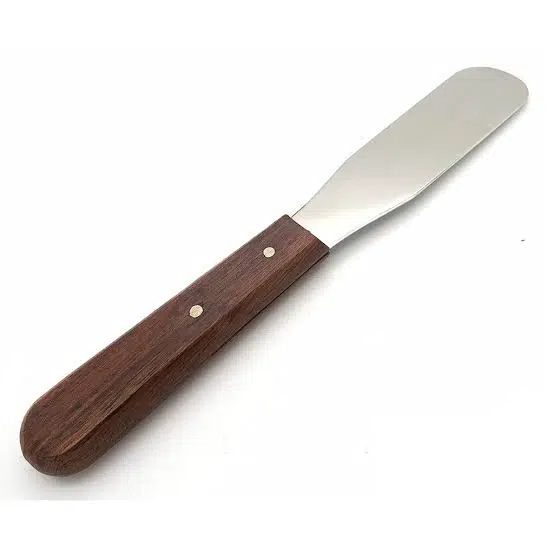
Plaster Mixing Spatula
Place of Origin: Pakistan
Name: Dental Spatula
Color: Multiple Colors
Application: Dental Working
Material: Composite Materials
Type: Dental Health Materials
In stock · 50 available · SKU BIOS-0222
Actual product may differ slightly from the picture due to market availability.
Description
Plaster Mixing Spatula is a precision dental instrument designed to facilitate the preparation of impression materials such as alginate and plaster. With a carefully engineered blade and ergonomic handle, this spatula allows dental professionals to achieve a consistent, homogenous mix with ease.
When used in a dental clinical setting or laboratory, the Plaster Mixing Spatula delivers reliable performance, ensuring that gypsum products and alginate reach the desired viscosity for accurate impressions and bases. Its sturdiness and thoughtful shape make it a staple for anyone who requires dependable mixing tools.
Key Features
- Blade made from high‑strength stainless steel for durability during repetitive use.
- Thin, flexible blade that conforms to the interior of mixing bowls, ensuring full contact with powdered material.
- Ergonomic polypropylene handle with a textured grip for comfortable manipulation and reduced hand fatigue.
- Blade edge coated with silicon‑gel to prevent adhesion, allowing easy release of thick mixtures.
- Compact blade width of 1.2 cm, suitable for mixing small to medium batches of plaster or alginate.
- Weighted tip that helps stir without agitating the entire batch, preserving the integrity of delicate impressions.
- Non‑porous construction that resists staining and bacterial buildup, streamlining post‑procedure cleaning.
- Proven chemical resistance to common dental solvents, avoiding corrosion or discoloration.
- Color‑coded handle for quick identification in busy clinical flows.
- Designed for single‑use or repeated sterilization, depending on operating theatre protocols.
Clinical Uses
- Mixing dental alginate to achieve homogenous consistency before dispensing into trays.
- Preparing plaster of Paris for the creation of dental casts and occlusal rims.
- Adapting to the interior curvature of mixing bowls to eliminate clumps in gypsum batches.
- Carrying freshly mixed alginate or plaster directly to impression trays for efficient workflow.
- Shaping base plates after the first setting of plaster for precise occlusal adjustments.
- Stirring composite gypsum mixtures used in restorative laboratory procedures.
- Assisting in the mounting of die stones for crown and bridge fabrication.
Why Dental Professionals Choose Plaster Mixing Spatula
- Articulated blade shape ensures complete wetting of powder, reducing the risk of under‑mixed sections.
- High‑grade stainless steel construction resists breakage even with frequent, vigorous stirring.
- Silicon‑gel coating eliminates residue buildup, cutting down on cleaning time.
- Weighted tip delivers controlled stirring motion, preserving the delicate structure of freshly mixed impressions.
- Handle ergonomics withstand extended use without slippage, improving safety during in‑office procedures.
- Versatile enough to handle both alginate and conventional plaster, minimizing inventory needs.
Who Should Buy Plaster Mixing Spatula?
- Dental Clinics that routinely produce alginate impressions for orthodontic or prosthetic work.
- Dental Laboratories handling gypsum casts for crowns, bridges, and orthodontic appliances.
- Academic Dental Schools requiring durable, easy‑to‑clean tools for teaching models.
- Hospital Dental Departments that need reliable mixing solutions for emergency prosthetics.
- Medical Retailers looking to offer a comprehensive set of core dental tools.
Product Specifications
- Blade material: Stainless steel (304 alloy).
- Handle material: High‑density polypropylene.
- Blade length: 12 cm; width: 1.2 cm.
- Blade thickness: 0.07 cm.
- Weight: 35 g (excluding handle).
- Heat resistance: up to 120 °C, allowing autoclave sterilization.
- Dimensions: Total length 22 cm including handle.
- Color: Stainless steel blade, charcoal‑black handle.